People don’t open a nutrition app because of features.
They open it because they’re trying — again — to build a healthier life.
At YAZIO, one of the world’s most successful nutrition platforms – 90M+ users across 150+ countries. – habit formation isn’t a side effect. It’s the product. My focus was to design the behavioral and habit loops that turn intention into repetition — and repetition into long-term change.
Impact
Strengthened Day-1 Activation through clearer feedback loops.
Built end-to-end initiatives focused on Growth and Core experience, contributing to + 27.6% DAU, + 33.9% net bookings growth, and + 81% CURR.
Increased engagement, reflected in higher return rates and food tracking activity.
Co-led the experimentation AB testing framework, from micro-optimizations to new full concepts.
Drove gamification and onboarding improvements to strengthen retention.
Contributed to scaling design systems and growth processes.
We approached growth and retention with a systems mindset. Not by adding features, but by designing mechanisms that reward consistency, reduce friction, and strengthen intrinsic motivation. And, instead of thinking in screens, we thought in cycles: How does logging feel on day one? What happens on day seven? Why does someone return on day thirty?
Experimentation as a mindset
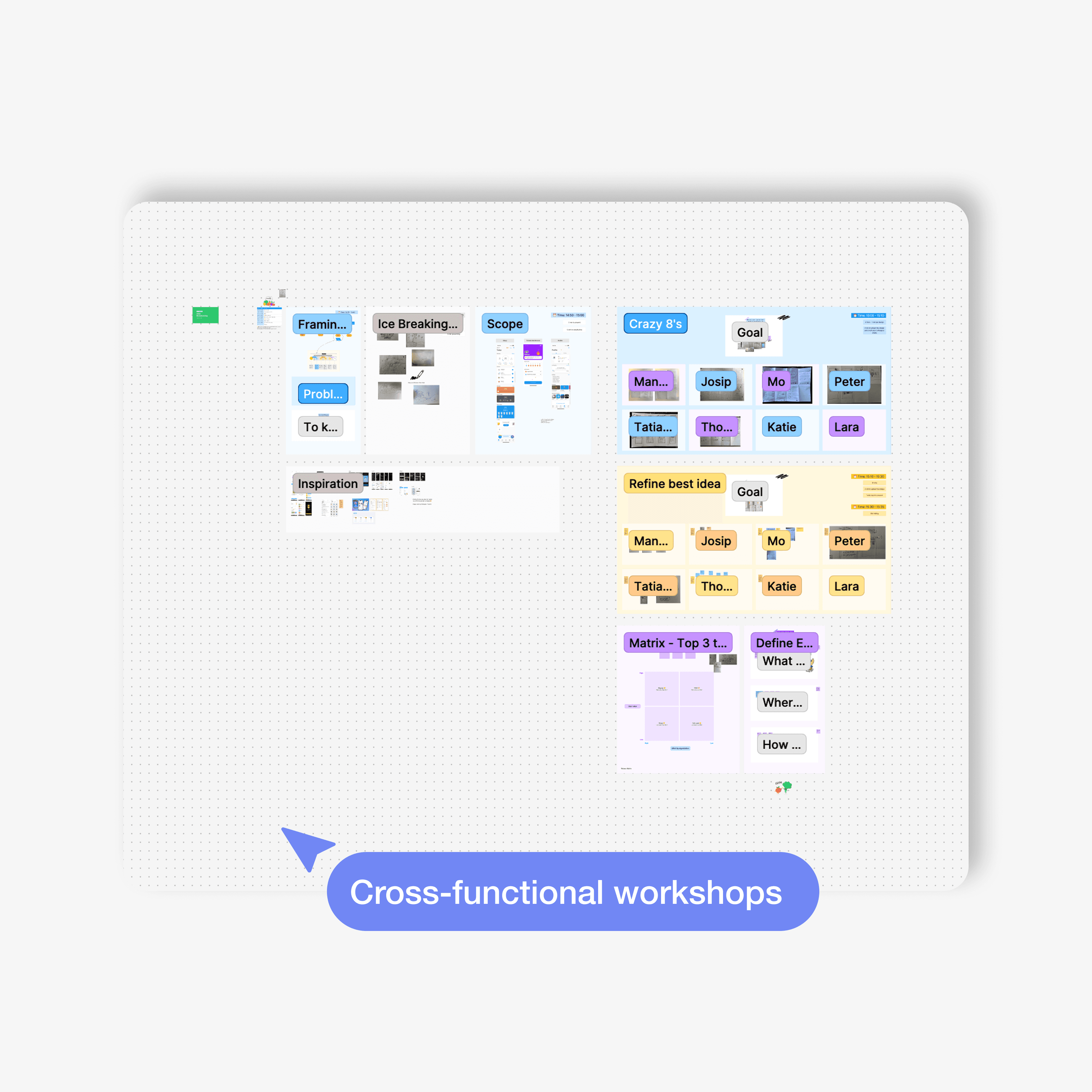
Through cross-functional workshops, AB test experimentation, and tight collaboration with PM, devs and analysts, we translated behavioral science into gamification systems, onboarding improvements, and iterative feature releases. Every loop was stress-tested through data. Every reward calibrated to reinforce intrinsic motivation — not dependency.
Alongside product work, I helped scale experimentation practices. The goal wasn’t just better features — it was a more mature, growth-driven product culture.
Because meaningful habits aren’t built through pressure. They’re built through well-designed systems that make consistency feel achievable.
trigger → action → feedback → reward
Opportunity space: Streaks as main retention driver
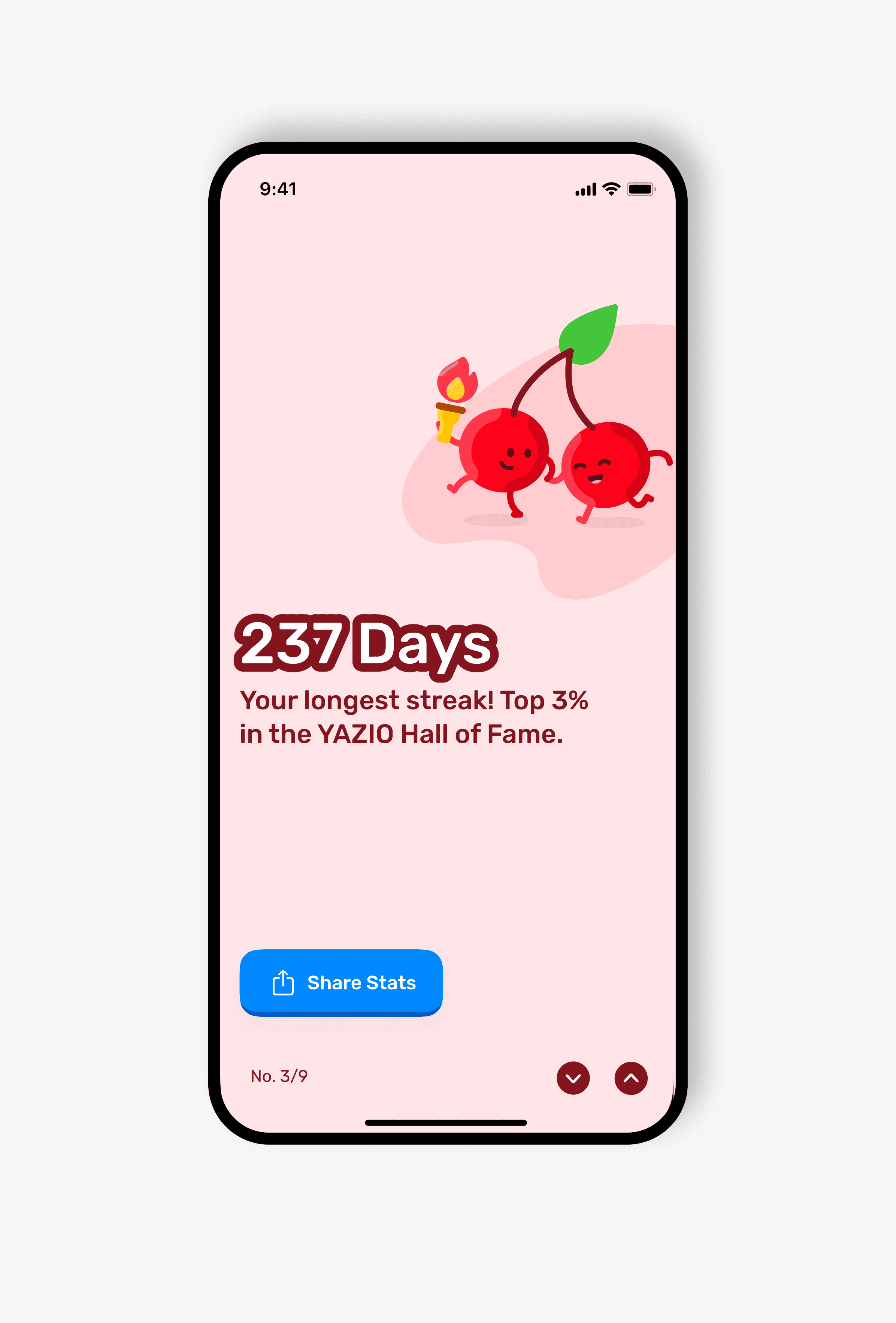
Streaks quickly stood out to me as one of the strongest retention drivers — but also one of the most fragile.
They work because they create continuity and commitment. But the moment a streak breaks, that same mechanism can backfire. I saw users lose momentum not because they didn’t care, but because the system made progress feel binary — you’re either “on track” or starting over. Losing a streak took more emotional effort to recover from than the actual days missed.
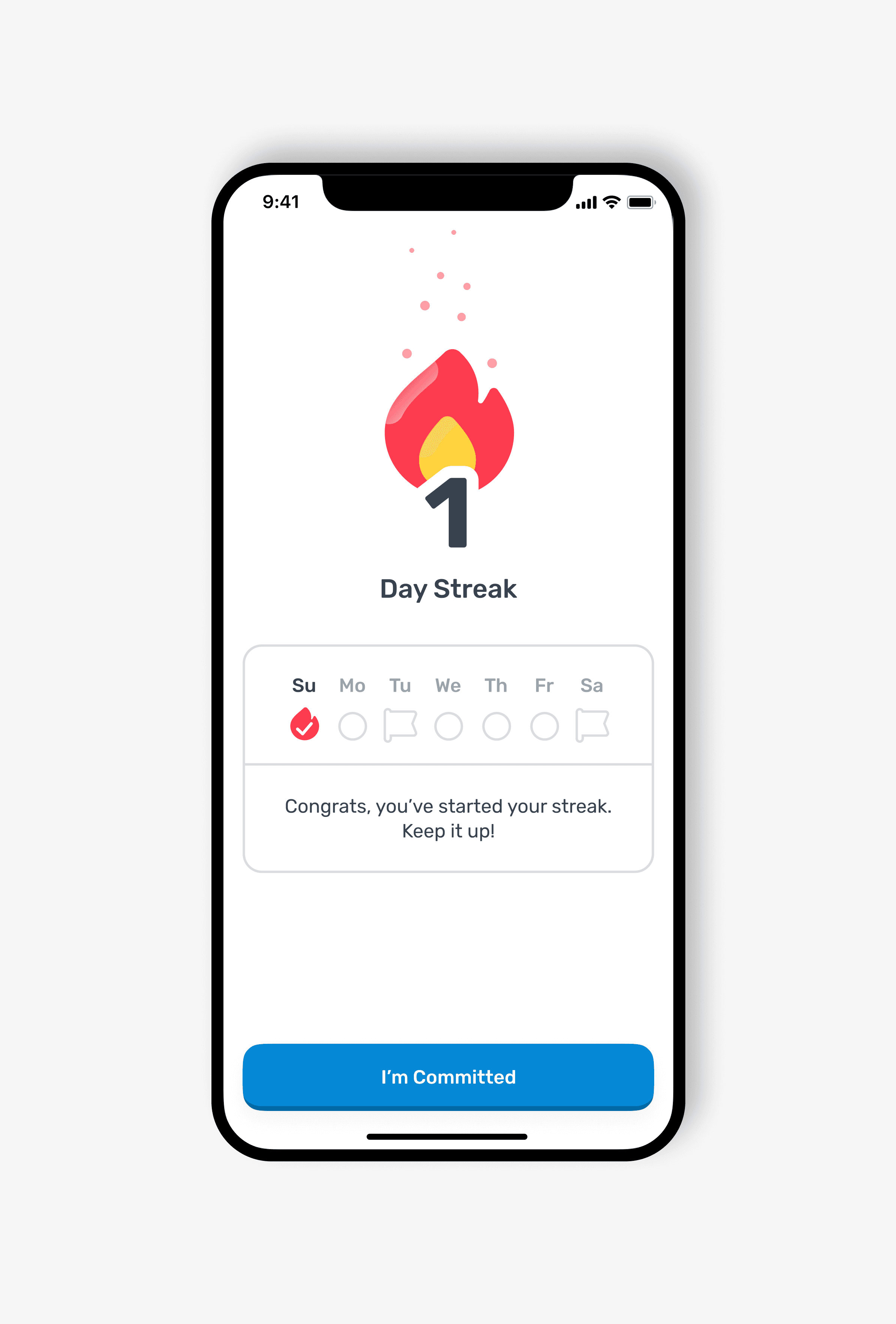
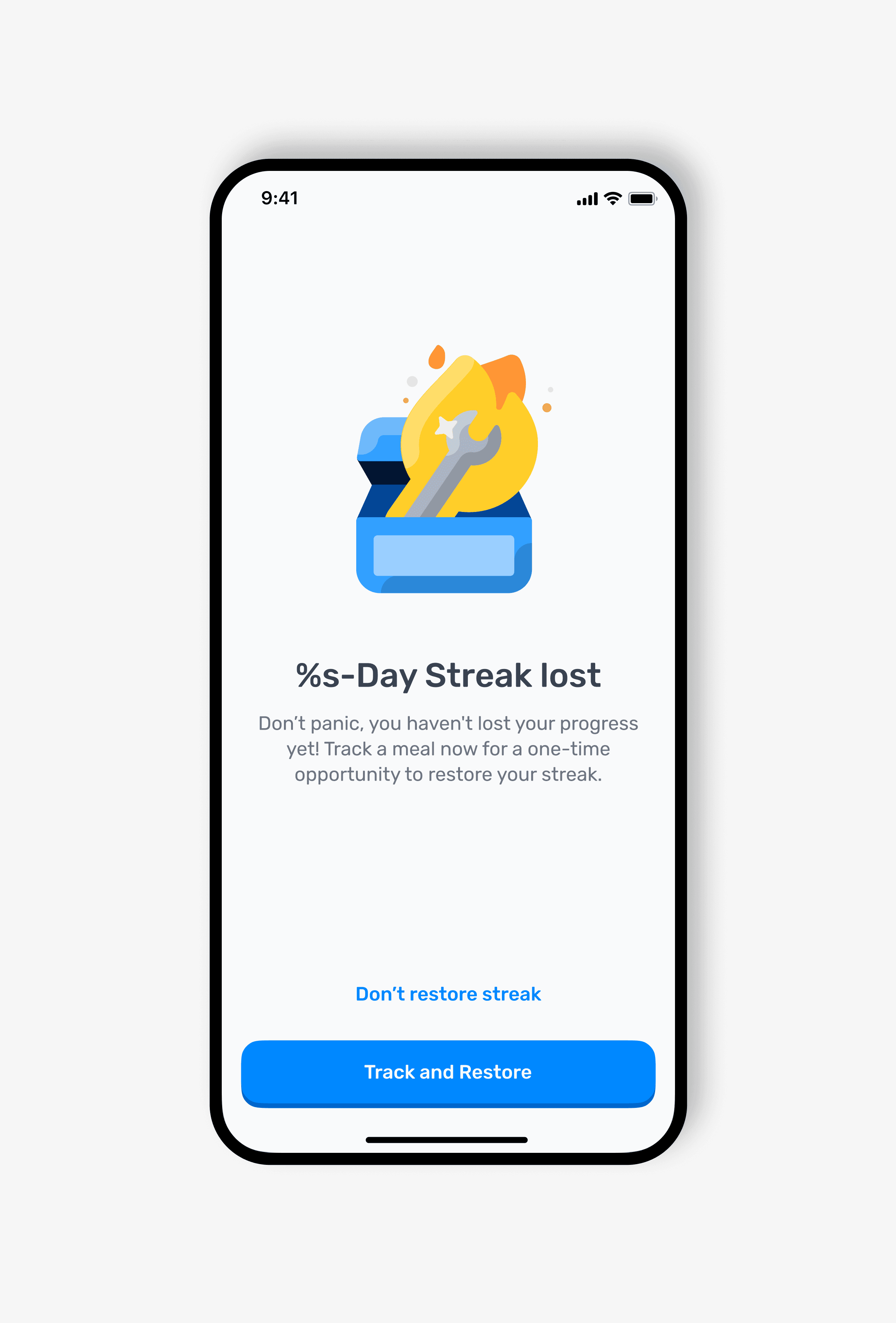
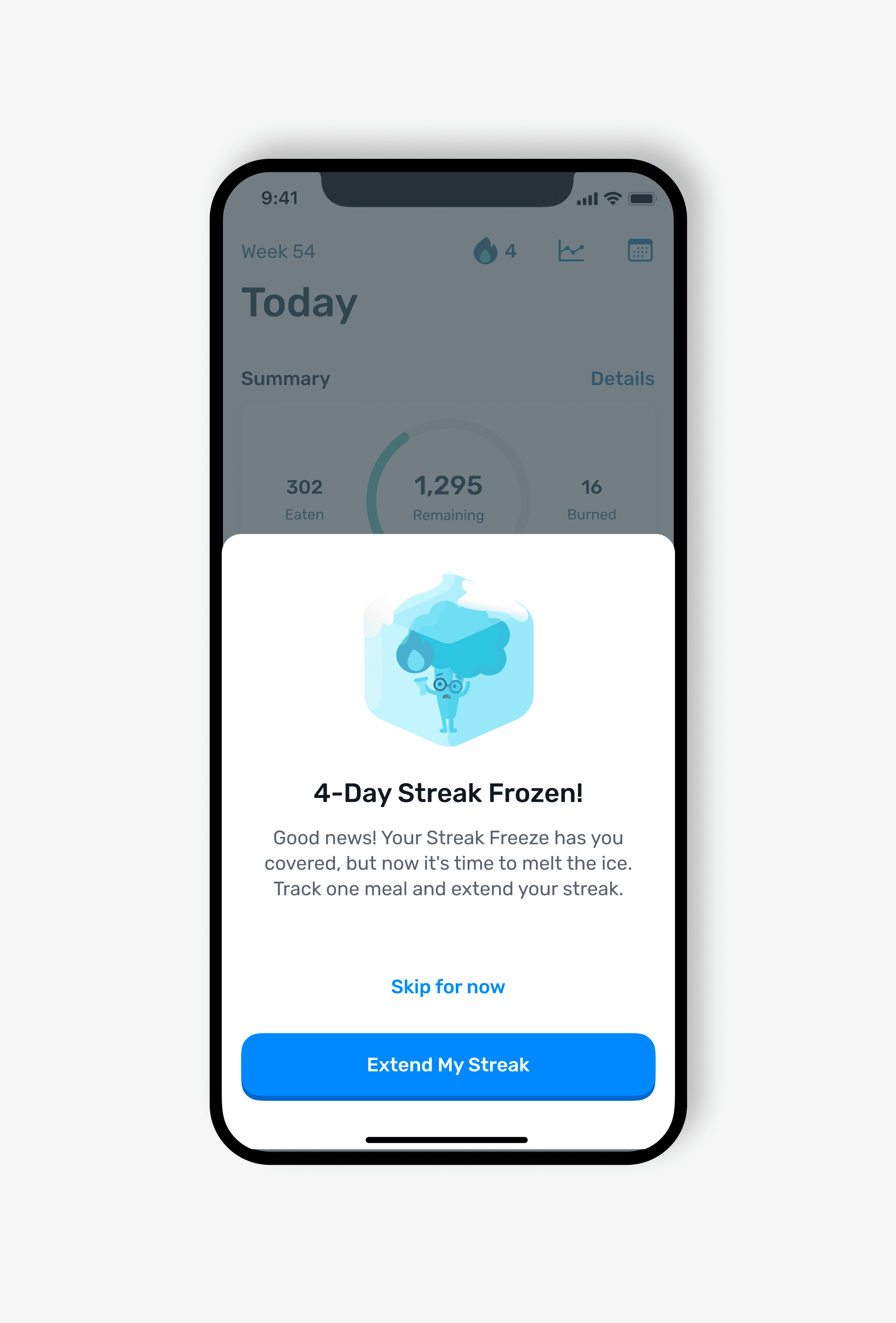
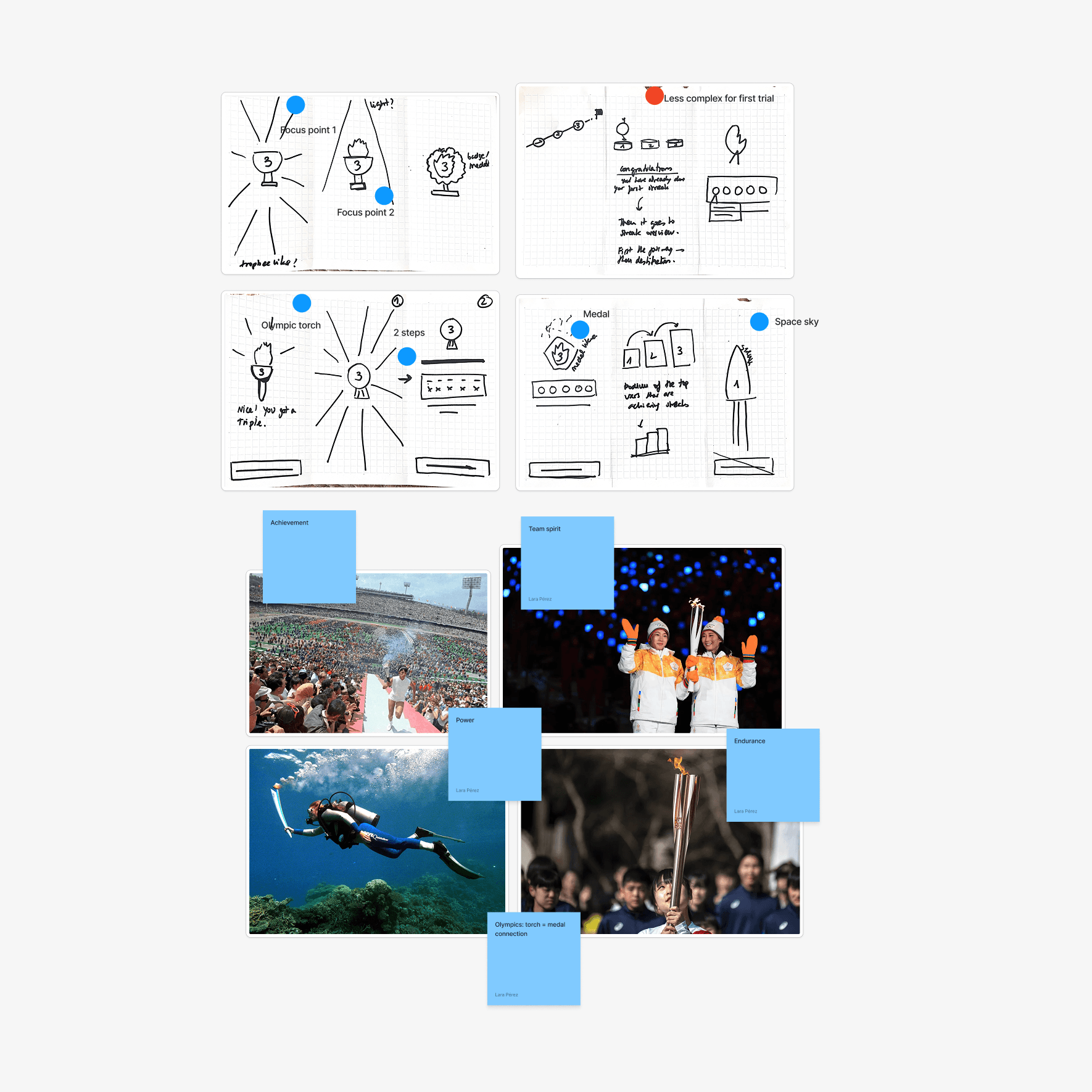
So instead of pushing streaks harder, I focused on making them more resilient. I explored ways to soften that all-or-nothing dynamic, introducing recovery moments and reinforcing progress beyond perfect consistency.
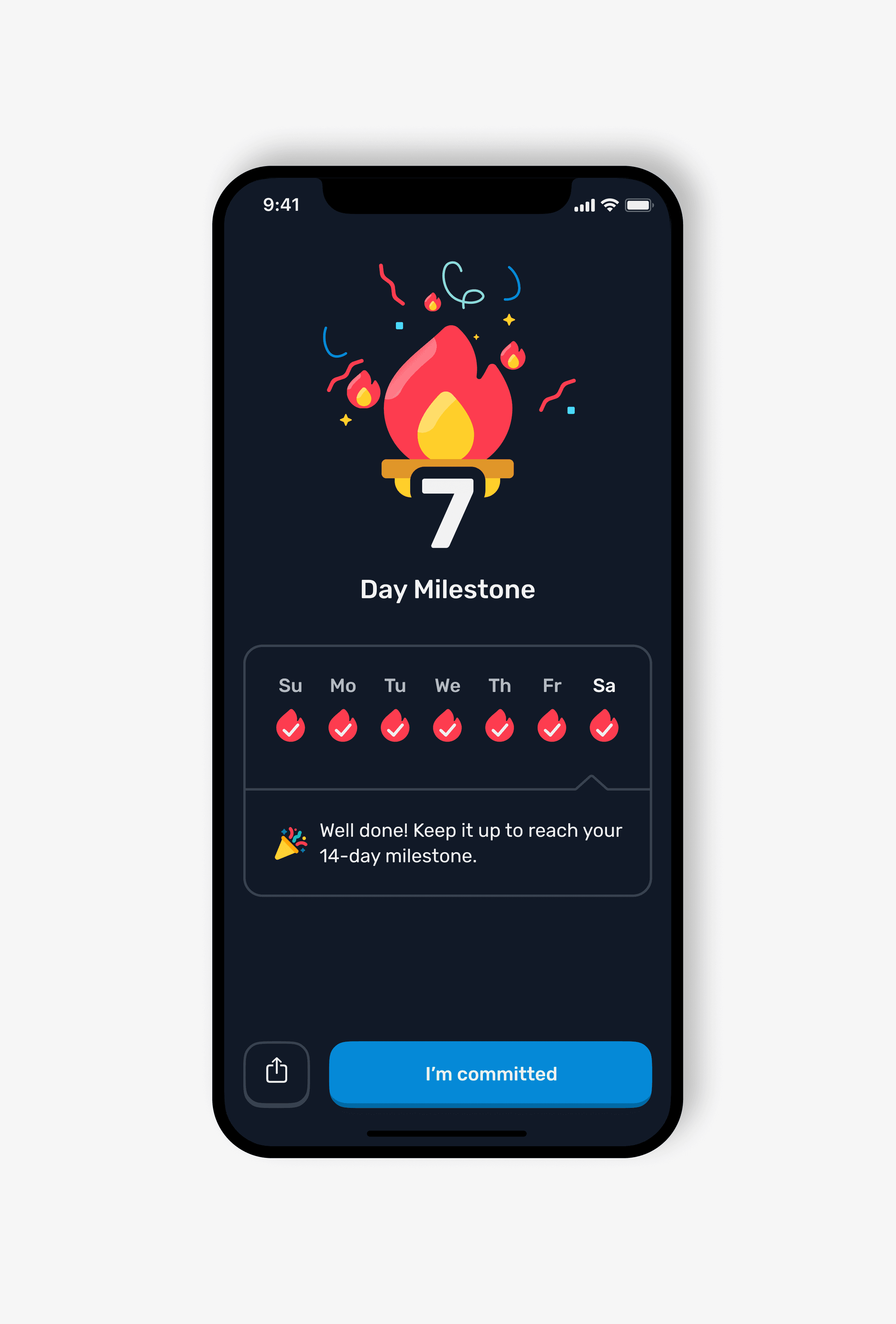
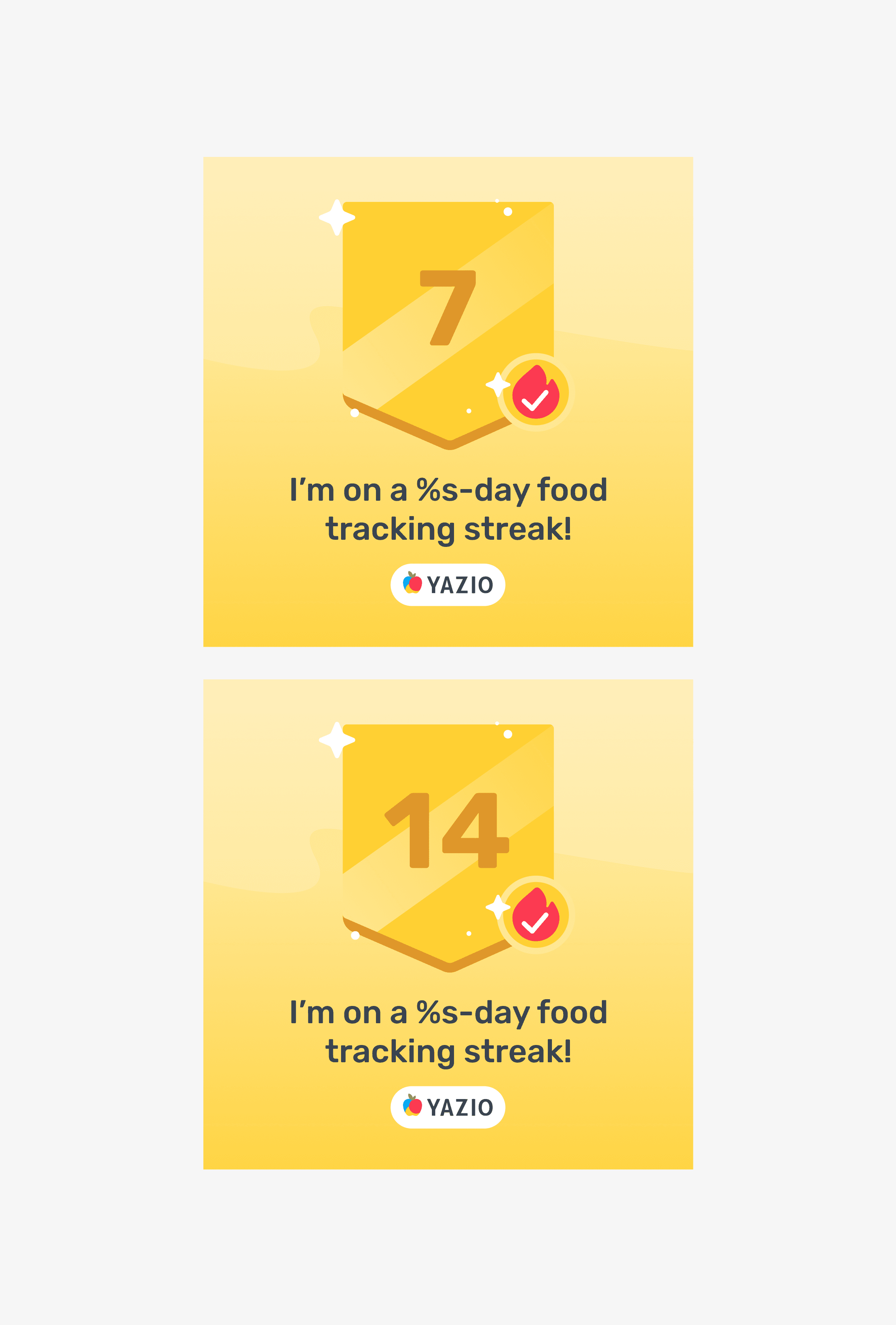
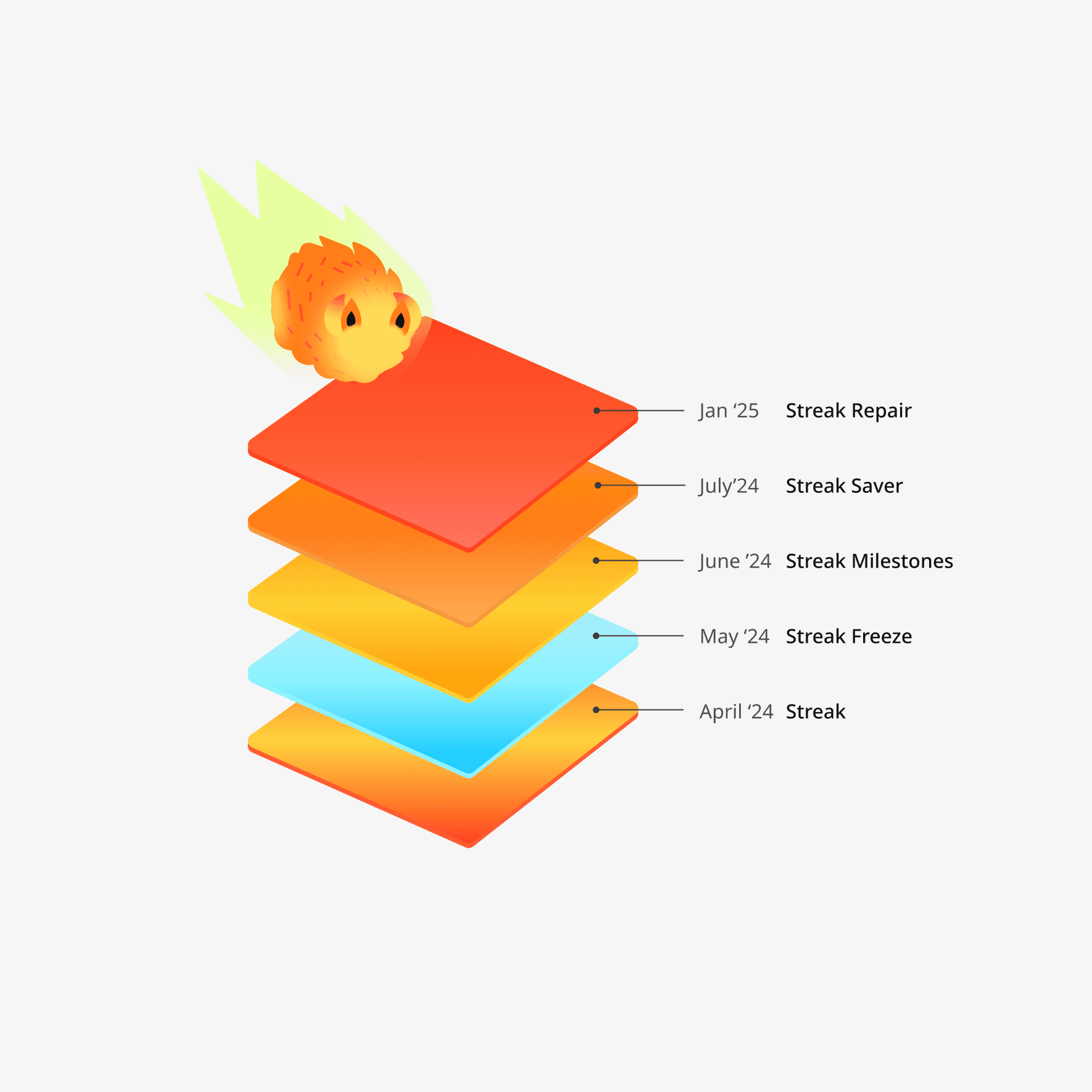
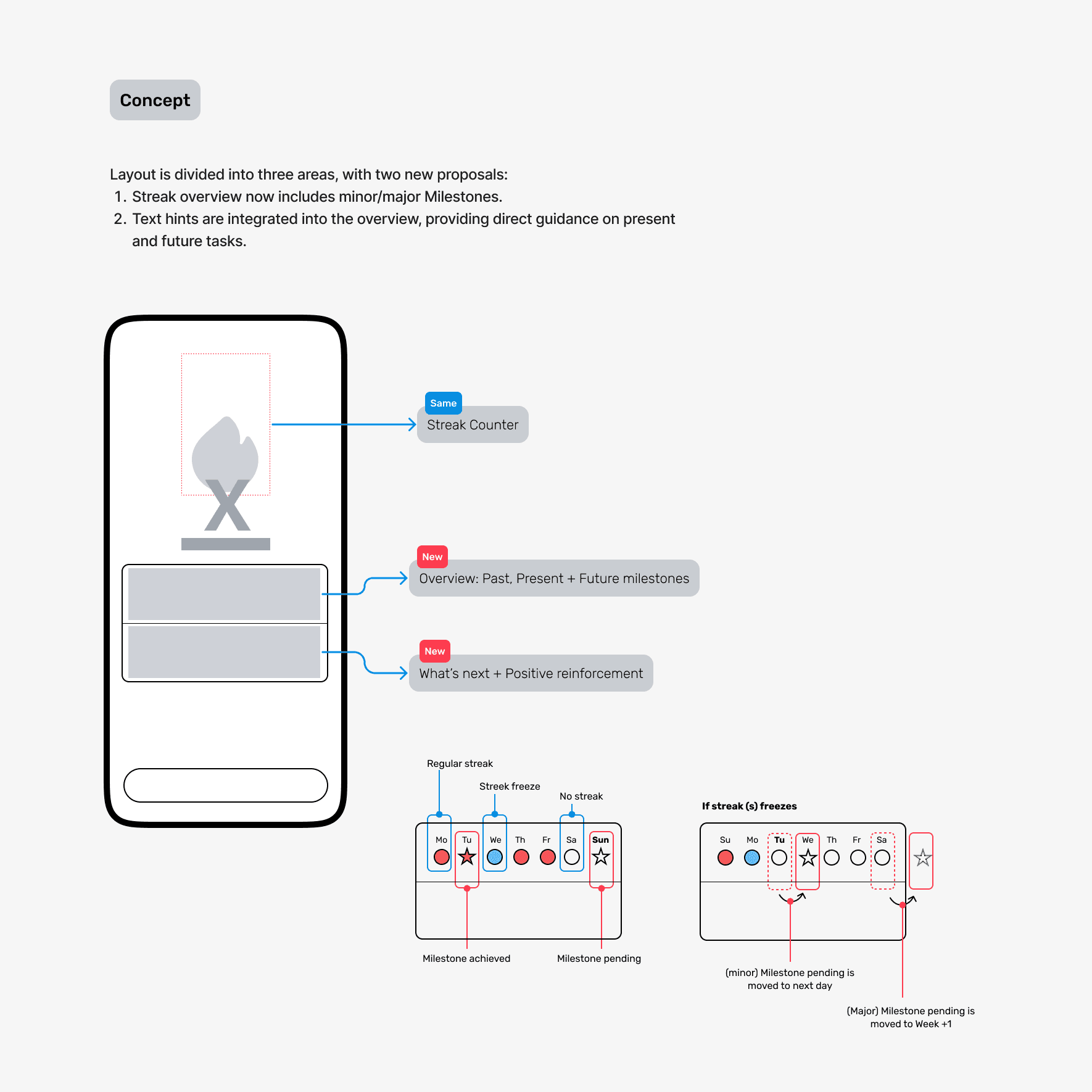
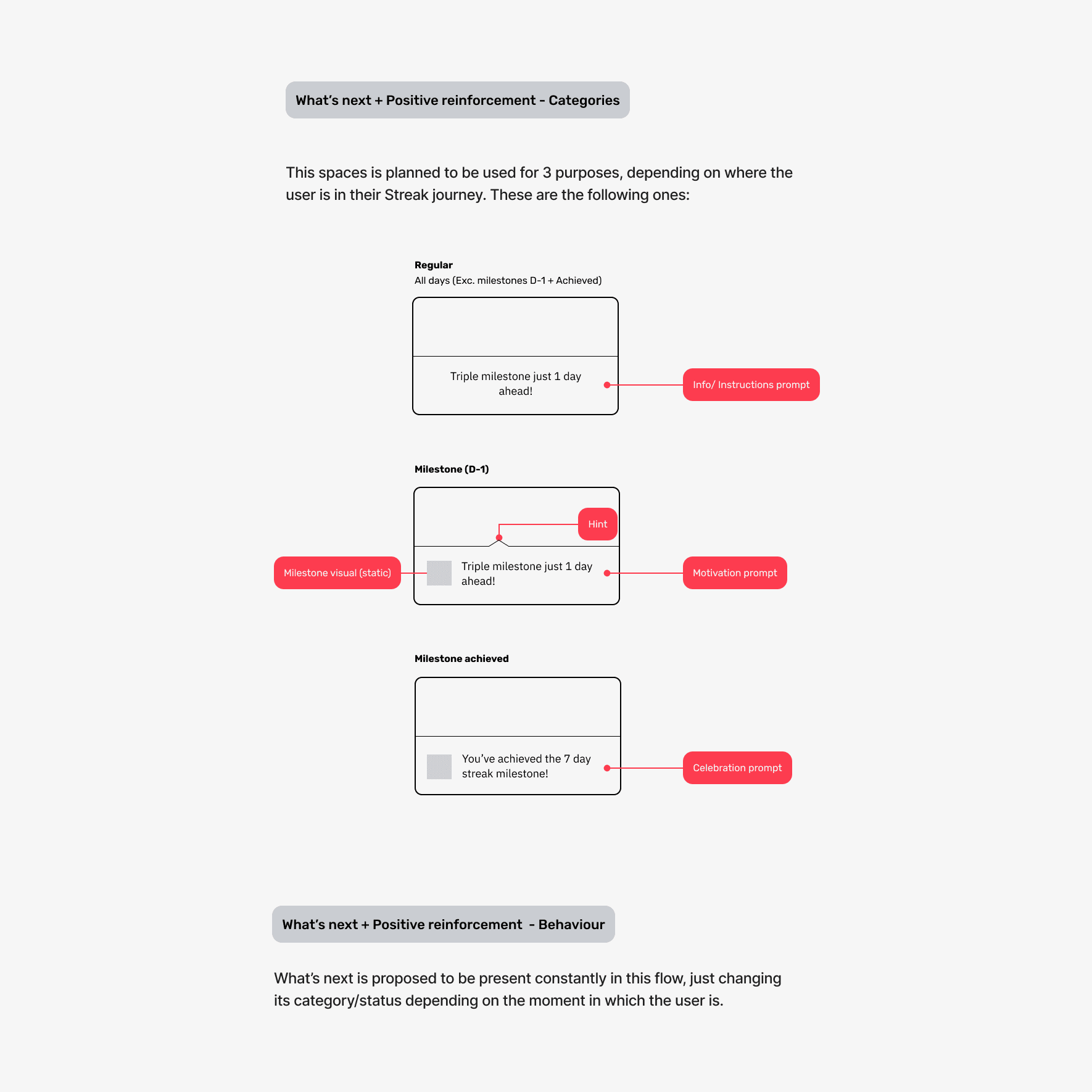
This meant designing not just the success path, but the recovery path too. For example, we introduced streak milestones to celebrate consistency, contextual progress communication to keep users connected to where they stood — and critically, streak freezes and streak repair to give users a way back when life got in the way.
Shifting streaks from a source of pressure into a support system changed everything.

Opportunity space: Making tracking loops meaningful
Tracking is the core behavior at YAZIO — but repetition alone doesn't build habits.
We noticed that for many users, tracking had become mechanical. They were doing the action, but not connecting it to progress. That gap between effort and meaning was where motivation started to drop — and where we had an opportunity.
So I focused on strengthening the loop itself. Every action needed to generate feedback that felt useful and personal — not just numbers, but insights. What changed? What does this mean for me? What should I do next?
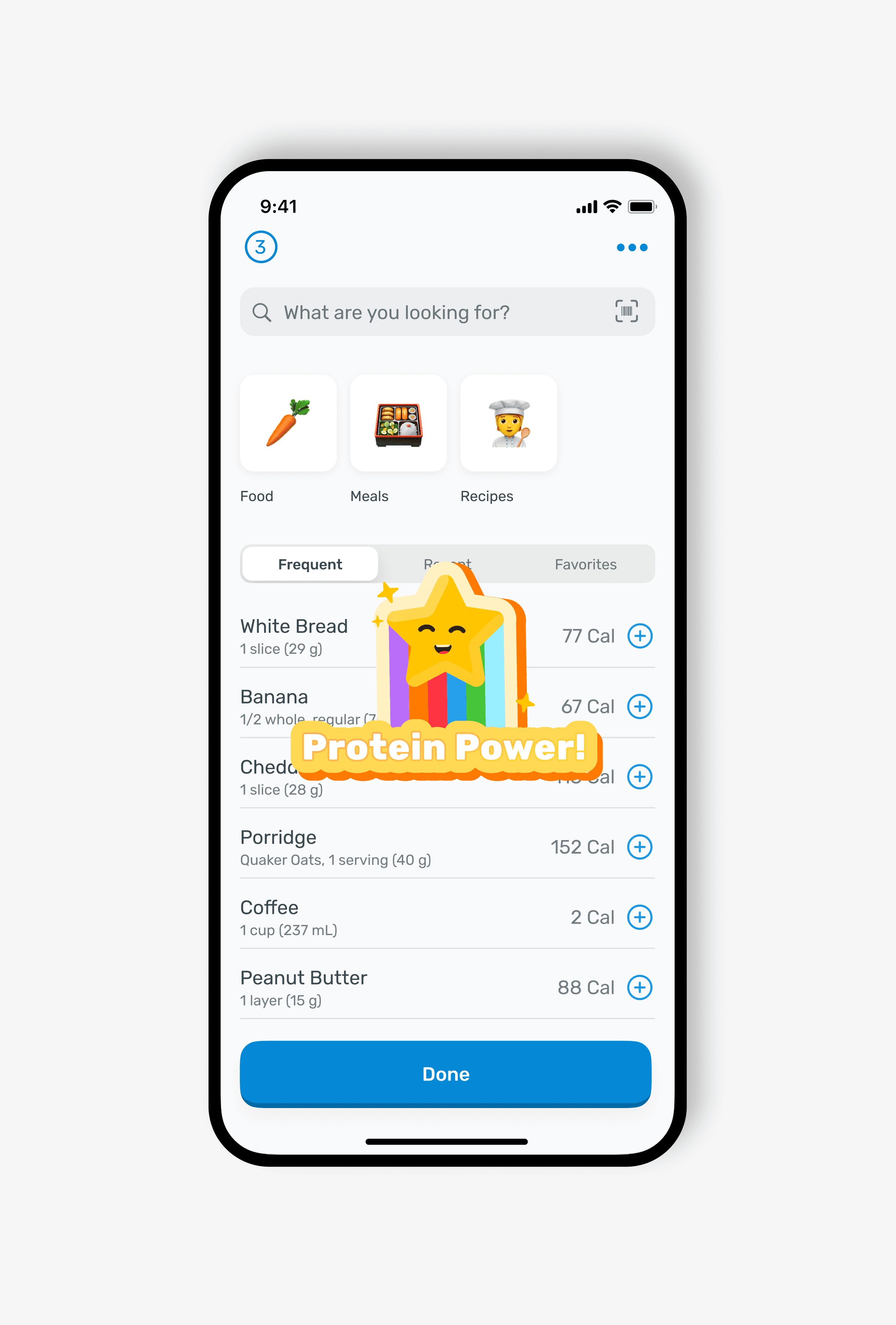
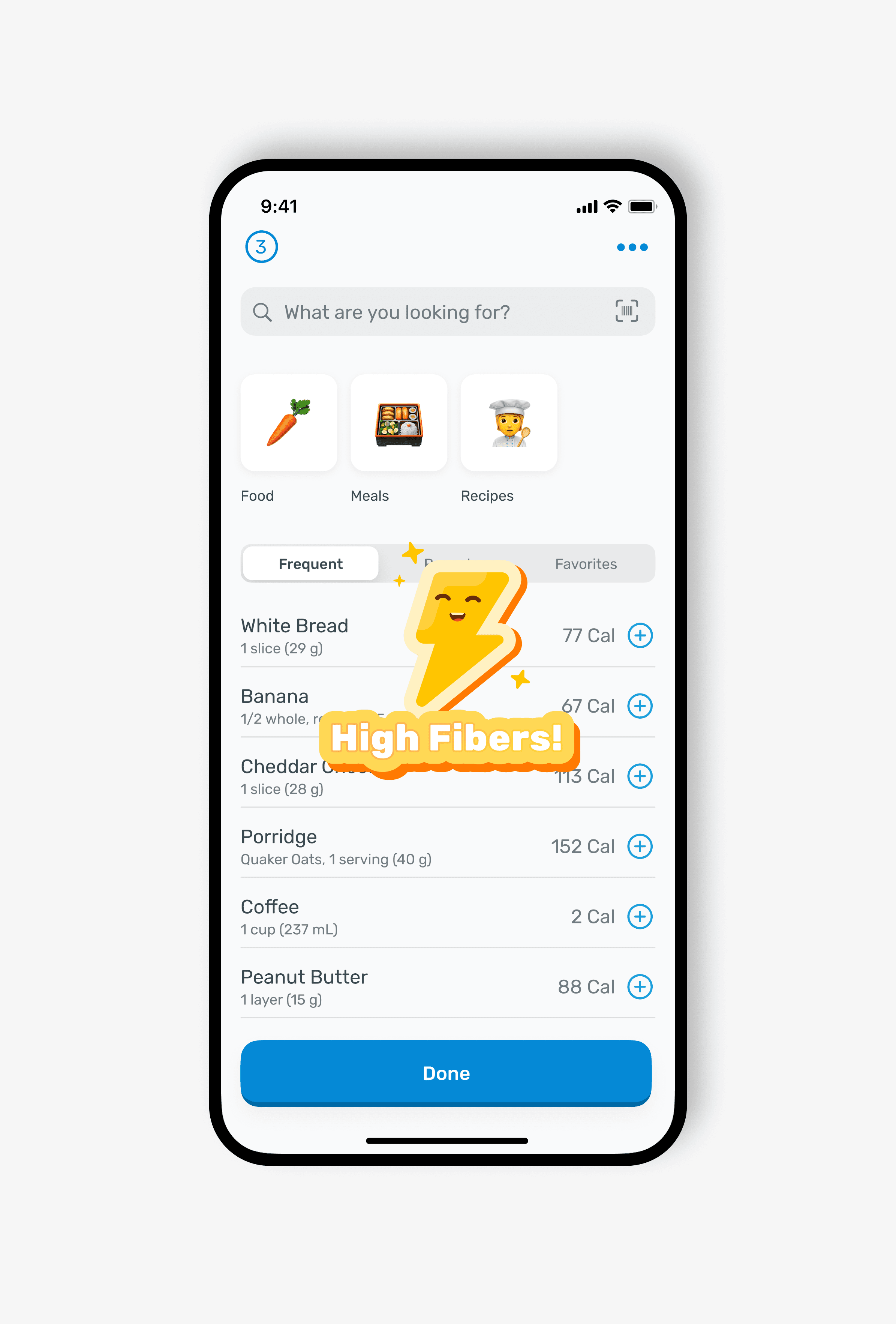
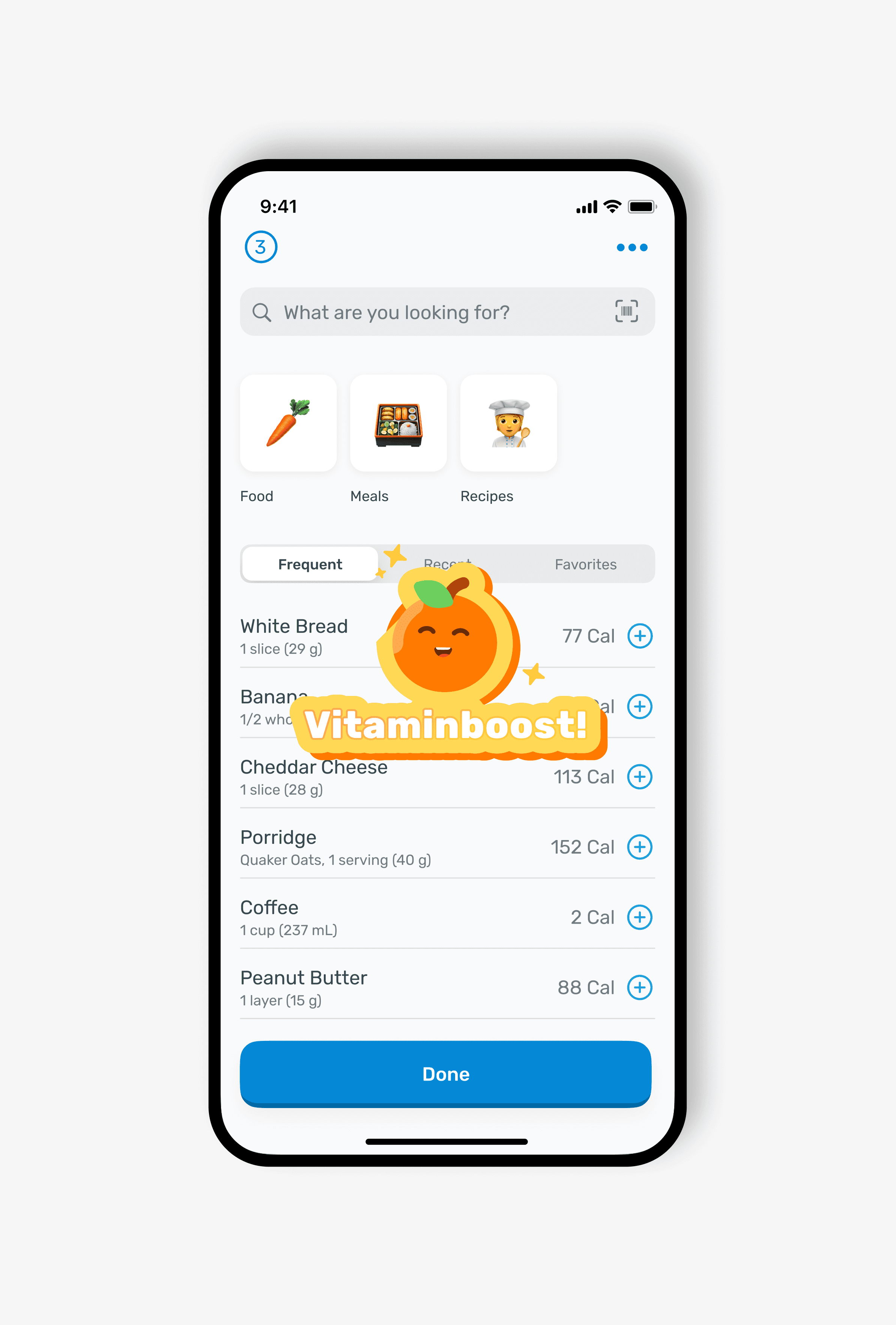
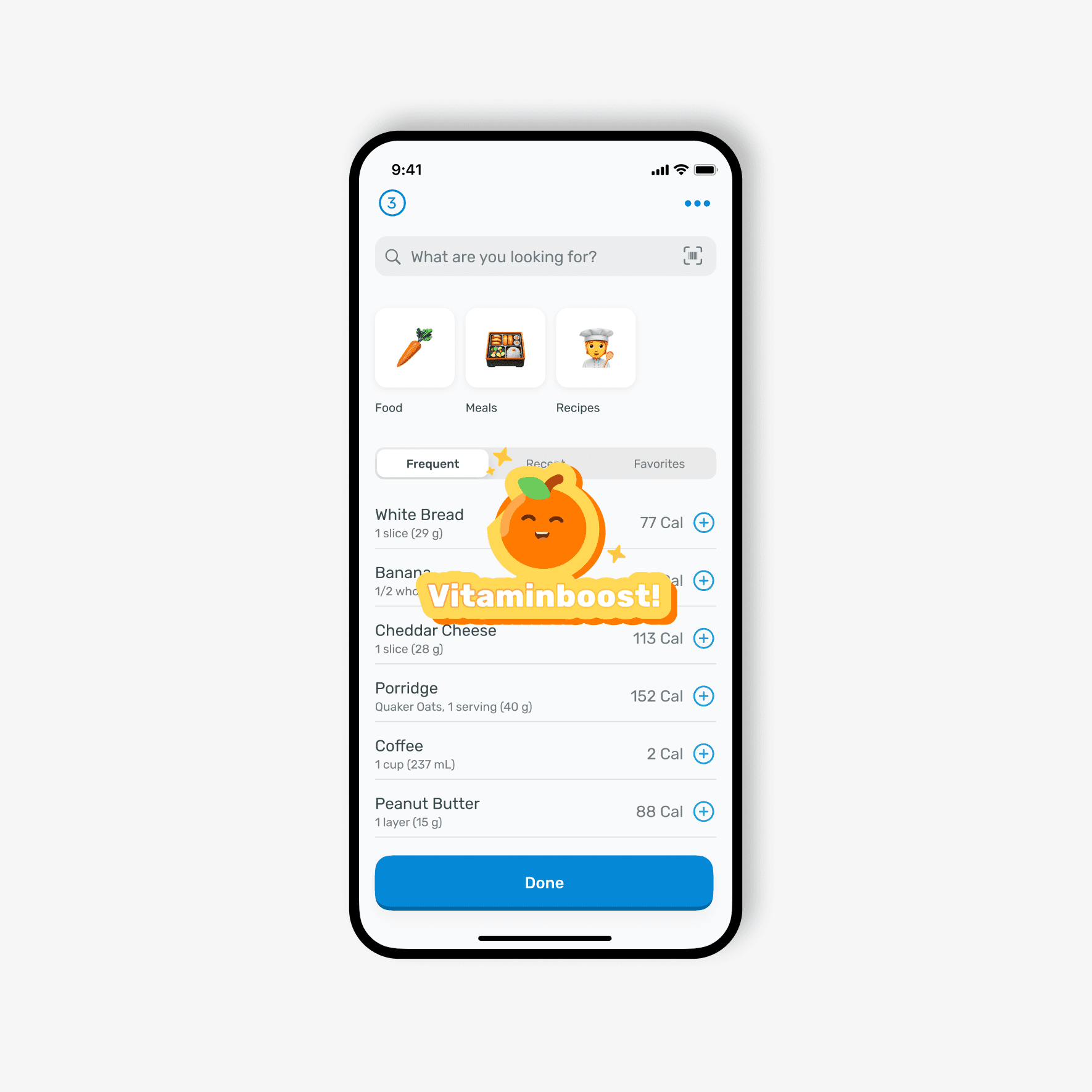
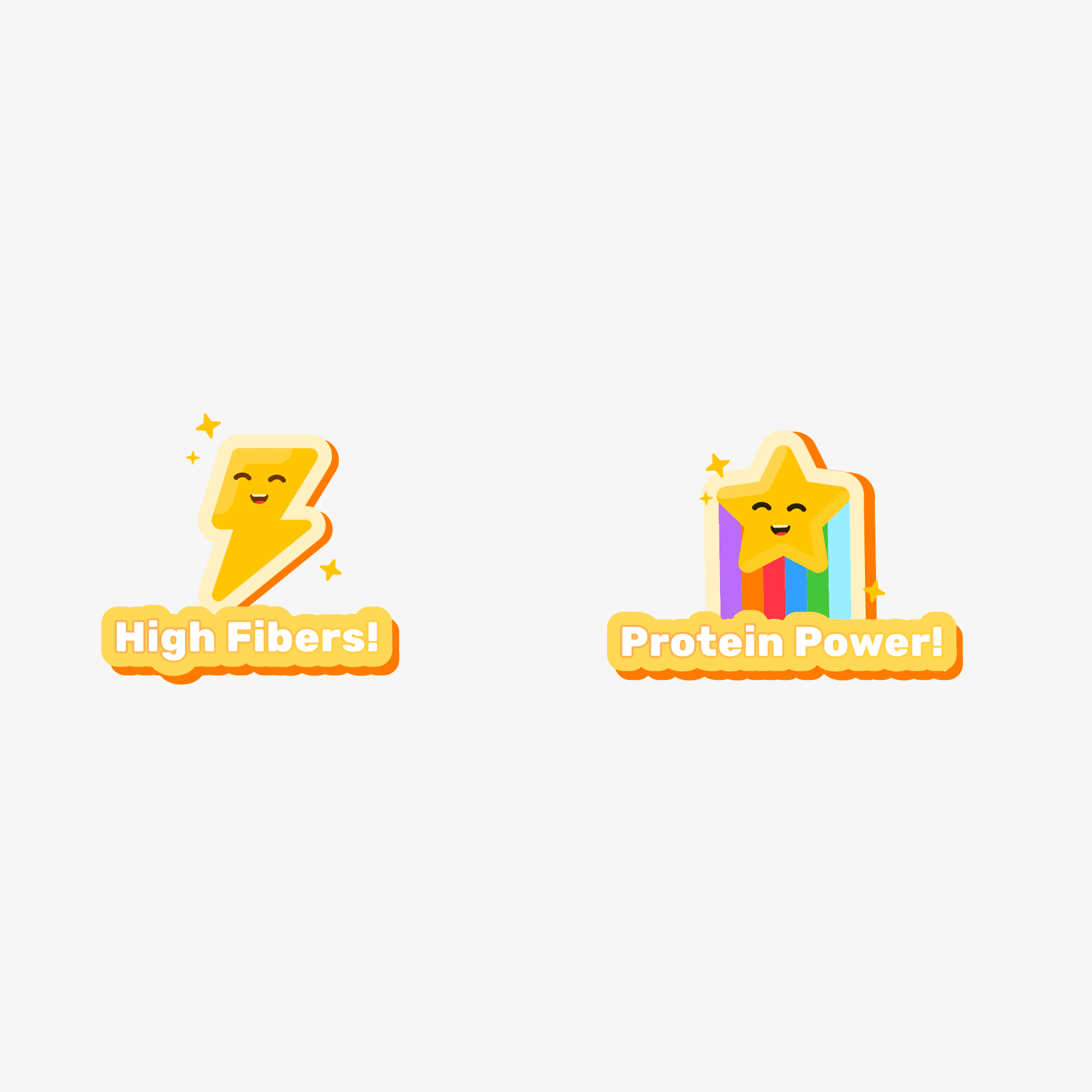
One of the features I designed with my team was the tracking loop, where users receive contextual feedback right after a meaningful action — for example, tracking a food high in vitamins triggering a celebratory "Vitamin Boost!" animation. Simple, timely, relevant.
We tested it across two experiments. The results were consistent: return rates improved on Day 1, Day 3 and Day 7, food tracking frequency increased, and in-app bookings grew by up to 4.87%. No redesign, no added friction — just the right nudge at the right time.
That was a real aha moment for us: users don't always need more data, they need acknowledgment. Celebrating what they did right rather than flagging what was missing transformed tracking from a chore into something worth repeating.
Opportunity space: Extending habit loops beyond core tracking
Habit loops don’t stop at tracking — but in many cases, that’s where we were focusing them.
I started to look at where else these loops could live across the experience. Moments like the end of the year, where engagement typically drops, or onboarding, where users are still learning how to use the product. These are very different contexts, but they share the same challenge: maintaining momentum.
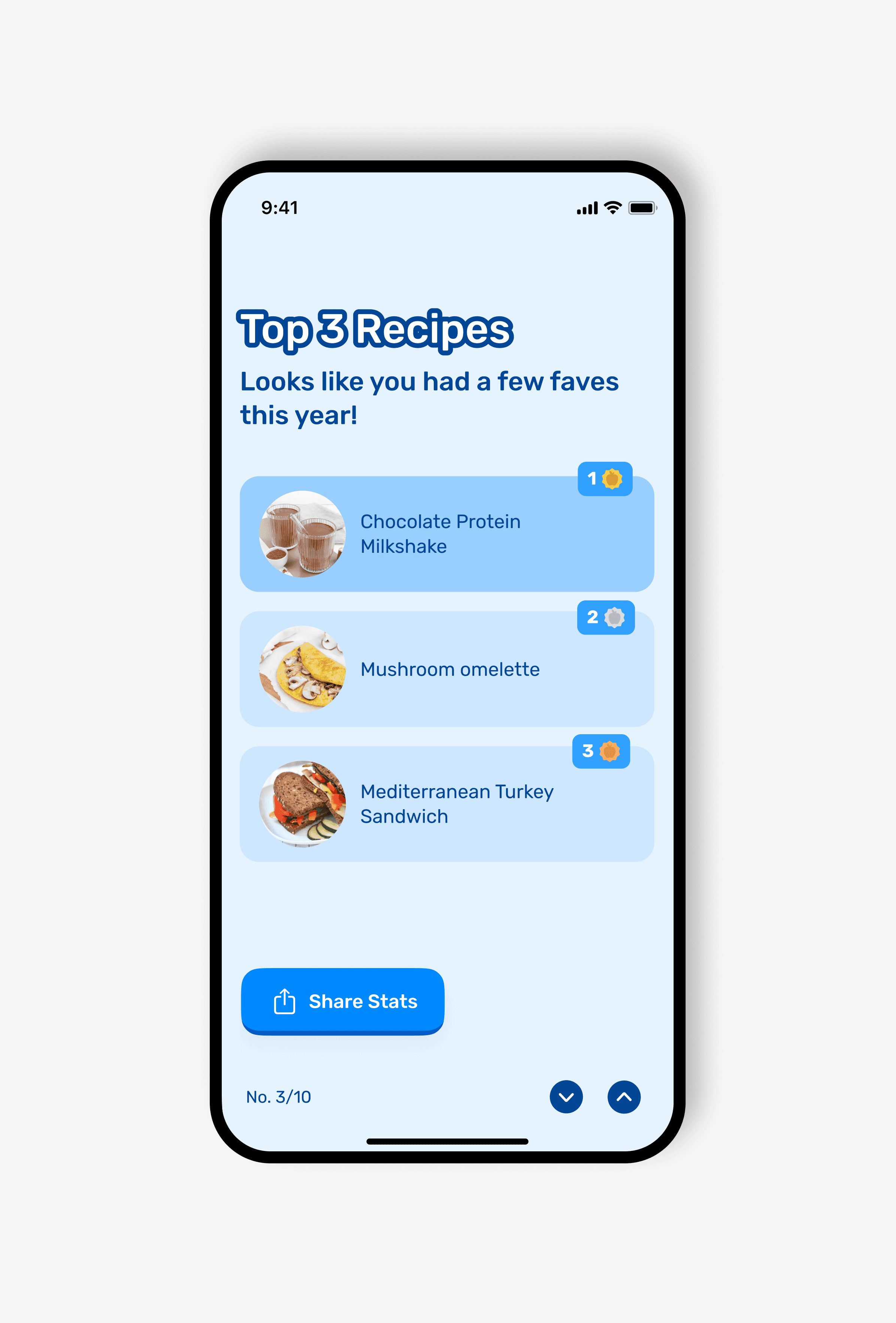
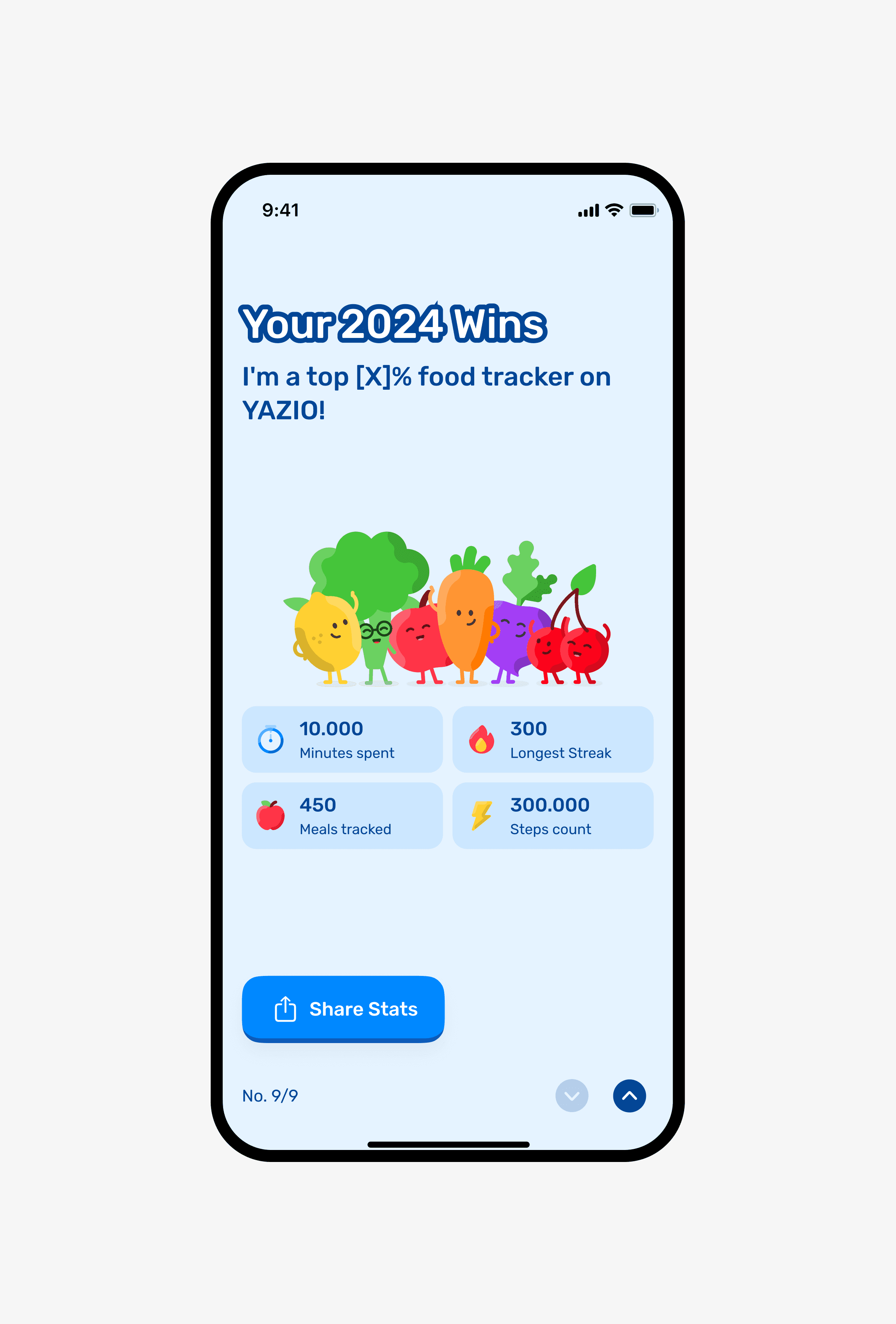
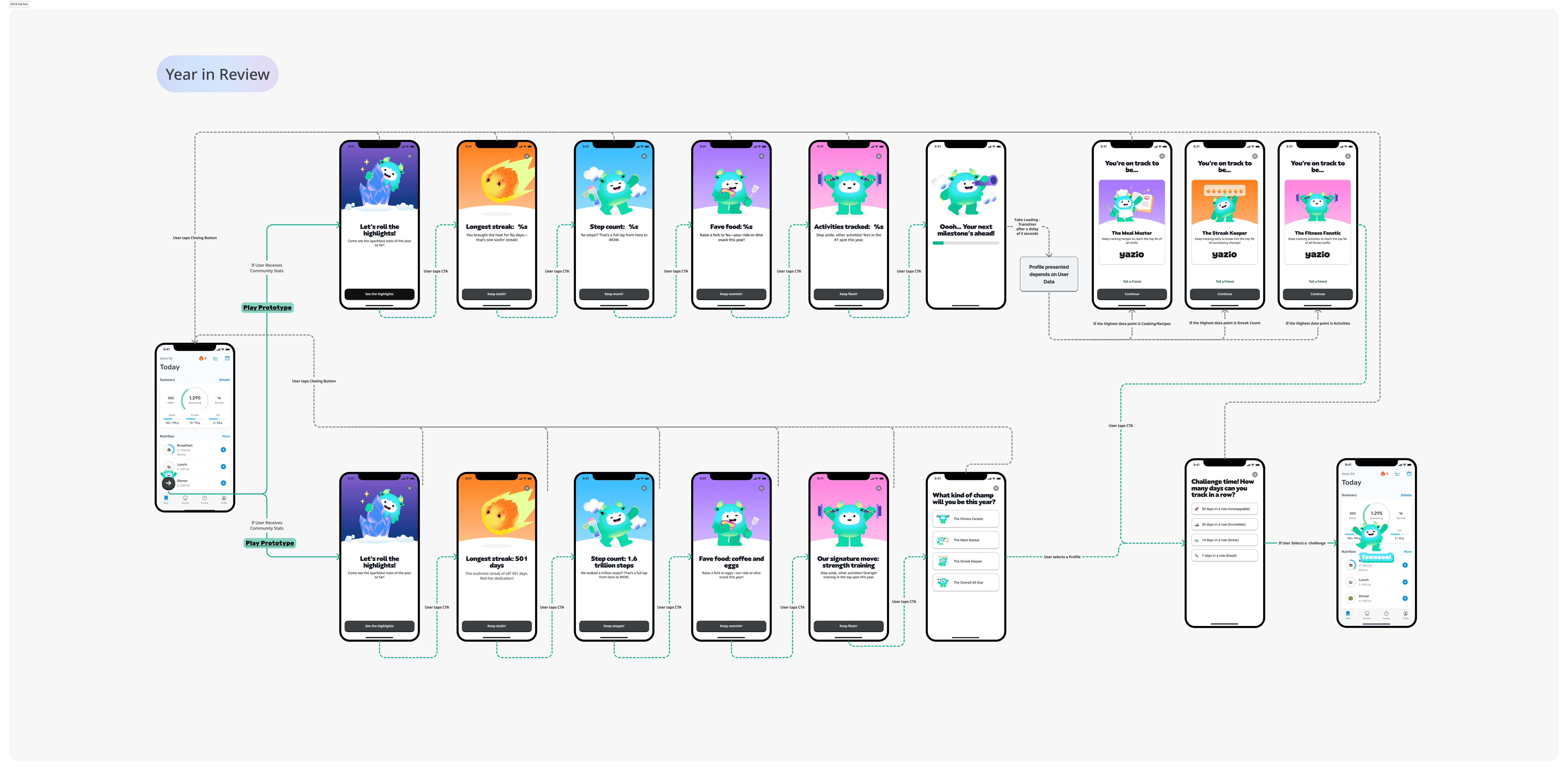
For example, the “year in review” became an opportunity to reframe a low-engagement period into a moment of reflection and reinforcement — helping users see progress over time, not just recent performance.
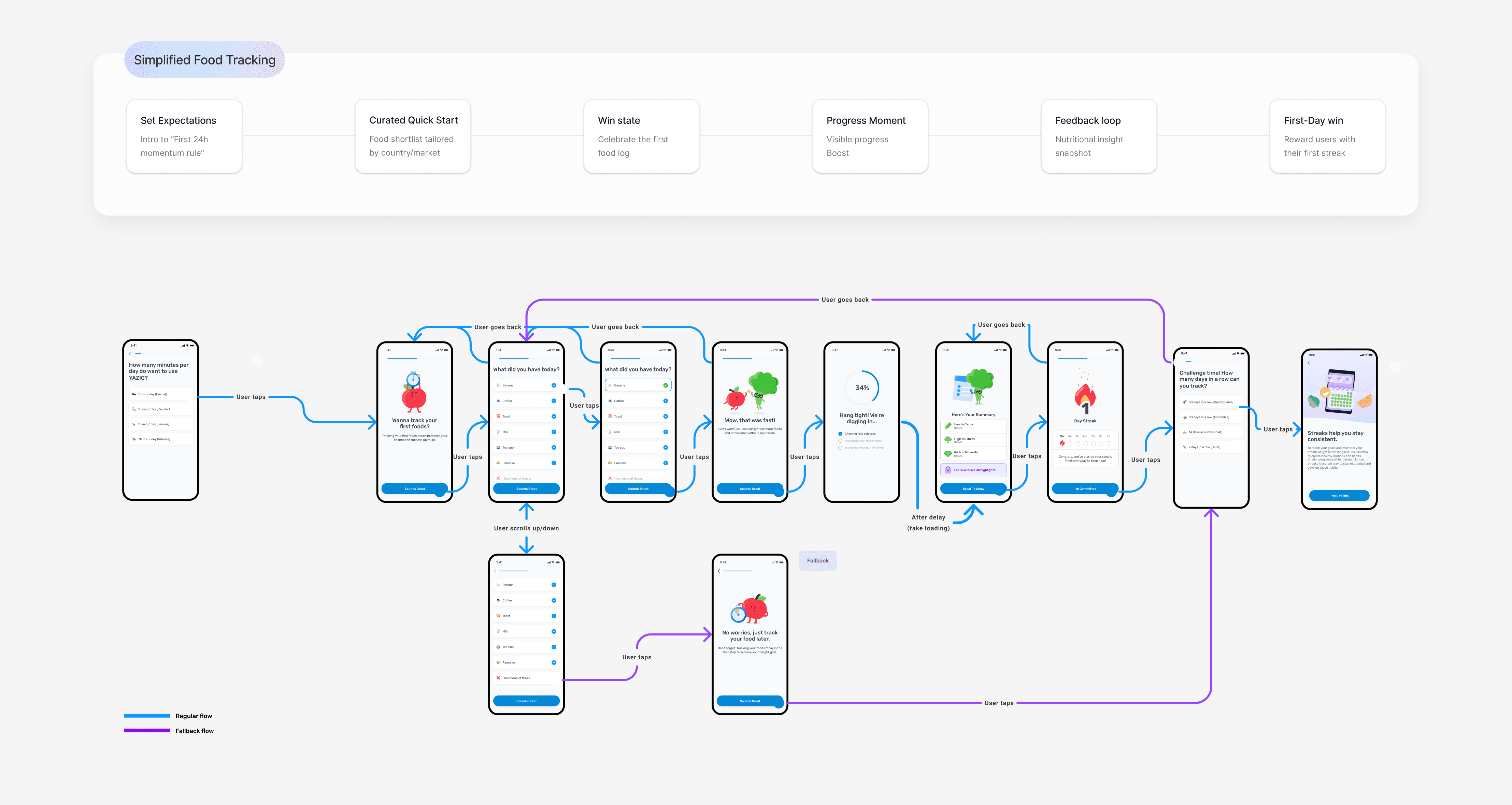
At the same time, we explored how to bring the value of tracking earlier into onboarding. Instead of teaching users how the product works first, I focused together with my team on showing them early in the journey— reducing the learning curve by connecting actions to outcomes from the start.
Bonus: Re-branding YAZIO
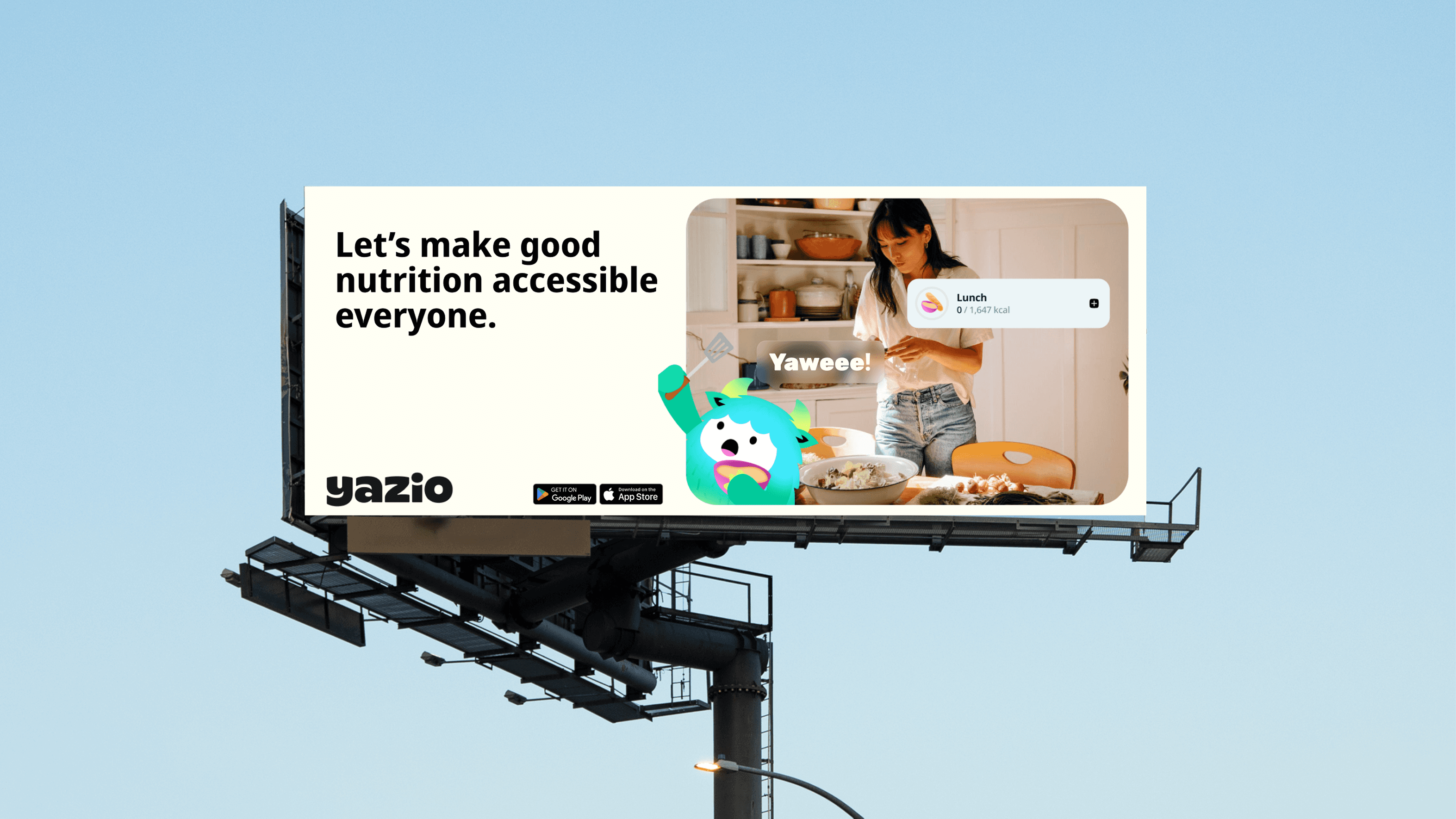
As YAZIO kept growing, it became clear to me that the product had evolved faster than the brand.
We were already helping millions of users build healthier habits, but the overall experience still felt more functional than engaging. The rebrand became an opportunity to close that gap — to better reflect what the product had become.
Together with Koto agency and my team, I contributed to shaping a direction that felt more human, more approachable, and more aligned with the idea that healthy habits should be sustainable, not restrictive. That meant evolving not just visuals, but tone and overall product feel.
Together we manage to achieve a rebranding that made the experience feel as supportive and motivating as the habits we were trying to help users build.